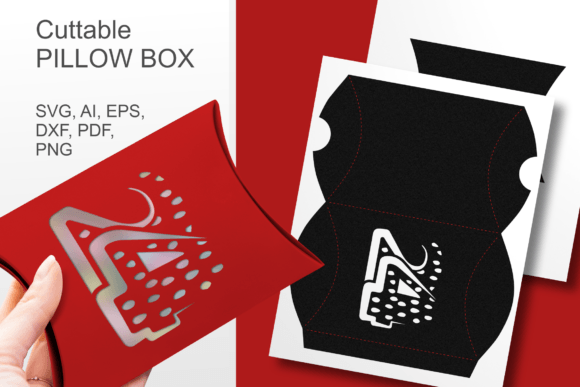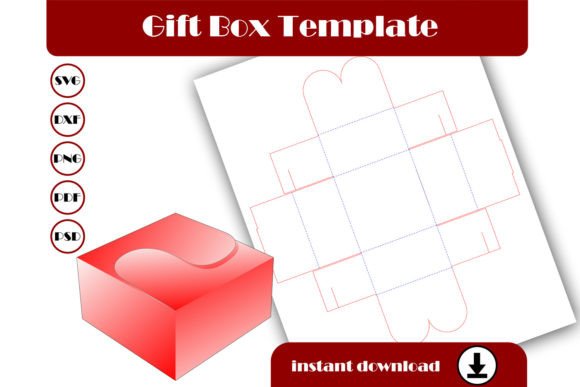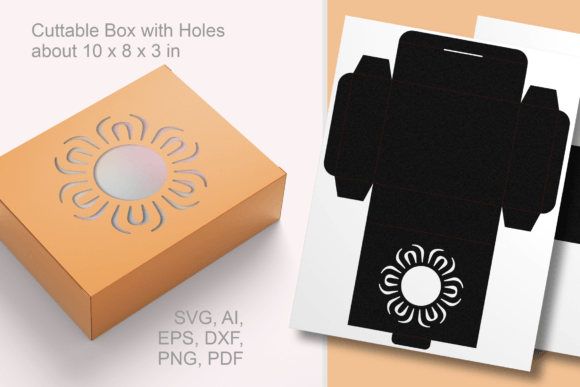
Candy Box Template: 3D SVG for Gift Boxes
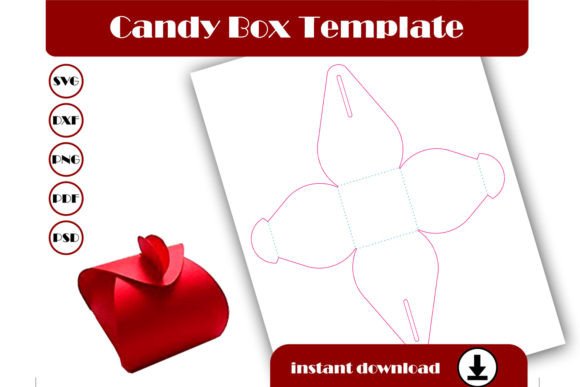
As a digital product creator who has spent years navigating the competitive landscapes of Etsy, Creative Fabrica, and Shopify, I approach every new asset with a critical eye. The goal is never just to find something pretty; it is to find a tool that solves a problem, saves time, or elevates a brand. Recently, I came across a specific resource labeled as a Candy Box Template. On paper, the description is straightforward: a blank template sized 1.97x2.36 inches on an 8.5x11 sheet, delivered as a single Photoshop PSD file with no pre-existing logos or images. While this might sound simple, in the world of commercial design assets, simplicity often holds the most potential for customization and scalability.
First Impressions and Niche Appeal
The first thing I noticed when opening the file was the sheer versatility of the blank canvas. Unlike many graphic design assets that come cluttered with watermarks or restrictive branding, this template offers a clean slate. The dimensions are precise, fitting perfectly into standard printable formats while maintaining a compact size ideal for small treats. The mood of the template is inherently neutral, which is its greatest strength. It does not force a specific aesthetic like rustic, bohemian, or ultra-modern upon the user. Instead, it invites the designer to impose their own visual personality.
For sellers targeting the handmade business niche, this neutrality is gold. It allows for rapid pivoting between seasonal collections. One day, you can transform this blank space into a festive holiday wrapper with reds and greens; the next, it becomes a soft pastel wrapper for a baby shower. This flexibility makes it an excellent addition to any design bundle intended for gift boxes. The lack of pre-set imagery means the buyer sees exactly what they are paying for: a structural foundation ready for their creative input.
Real-World Applications for Online Sellers
When evaluating a digital download for my own shop, I immediately start brainstorming how it translates into sellable products. The Candy Box Template is particularly effective for creating personalized objects that feel premium without the high cost of custom manufacturing. For print-on-demand sellers, this asset opens doors to sublimation designs for mugs, tumblers, and even t-shirt graphics where a "box" motif adds a playful touch. However, its primary utility lies in physical packaging and printable stationery.
I envision using this template to create greeting cards and invitation templates where the box acts as a central visual element. For Cricut users and Silhouette crafters, the ability to export this design as an SVG design is crucial. Although the source is a PSD, the clean lines allow for easy vectorization, making it suitable for sticker designs and planner stickers. Imagine a customer buying a digital paper pack that includes these wrappers as part of a scrapbooking kit. The small footprint of the 1.97x2.36 inch size ensures it fits neatly on pages without overwhelming other elements, maintaining a strong visual hierarchy.
Furthermore, this asset serves as a powerful tool for social media graphics. Content creators and bloggers often struggle to show off their products in a way that feels tangible. Using this template to generate product mockups can significantly boost click-through potential. By placing your digital artwork inside the candy box rendering, you give customers a realistic preview of how their purchase will look in the real world. This builds customer trust and increases perceived value, two critical factors for converting browsers into buyers on creative marketplaces.
Strategic Product Presentation
In the crowded environment of online selling, presentation is everything. A well-designed listing image can be the difference between a sale and a scroll-past. The Candy Box Template excels here because it provides a consistent frame for your brand identity. When creating thumbnails for your Etsy product listings, consistency in shape and style helps establish small business branding. If every item in your seasonal collection features this same box structure, but with different color palettes, customers instantly recognize your brand.
Using this template for large product previews allows you to showcase intricate details that might get lost in flat 2D images. You can layer textures, add shadows, and simulate lighting to make the packaging look tactile and inviting. This is especially important for digital downloads where the customer cannot physically touch the product. By pairing the template with a serif font for elegance or a handwritten font for a personal touch, you can tailor the message to your specific audience. Whether you are selling a design bundle or a single clipart illustration, the context provided by the box elevates the entire offering.
Where the Asset Shines and Where to Be Careful
Like any tool, this graphic design asset works best in specific scenarios. It shines in decorative layouts, themed bundles, and merchandise graphics where a defined boundary is needed. It is perfect for printable products that require precision, such as party favors or wedding treats. The clean edges ensure that when printed, the final result looks professional and polished. It also works exceptionally well in promotional visuals for social media promos, where a clear, distinct object grabs attention quickly.
However, there are areas where caution is required. Because the template is relatively small at under 2 inches wide, it should not be used for tiny sticker details where fine lines might disappear. Overly complex layouts within the box could become muddy, so simplicity is key. Additionally, while the PSD format is robust, you must verify PNG transparency if you plan to use it over dark backgrounds. Weak contrast can ruin the effect, so always test your colors before finalizing a listing. For Cricut projects requiring clean cutting lines, ensure the conversion from raster to vector is done carefully to avoid jagged edges.
Practical Seller Notes and Testing Protocols
Before publishing a listing featuring this asset, I recommend a rigorous testing phase. First, test the design on real mockups to see how it interacts with light and shadow. Preview it as a marketplace thumbnail to ensure the text and graphics remain legible at small sizes. Check how the design looks on both white and dark backgrounds to maximize its versatility. If you are printing physical samples, test print colors to ensure accuracy, as screen colors often differ from ink output.
Organization is another vital step. When delivering this as a digital product to your own customers, organize files clearly. Label layers in the Photoshop file logically so users can easily swap out backgrounds or add their own illustrations. Pair the template with a variety of font styles—sans serif fonts for modern looks, script fonts for romance, and display fonts for bold statements—to show users the range of possibilities. Finally, always confirm the commercial license terms. Ensure you have the right to sell finished products created with this template and that your end-users understand the licensing restrictions for their own resale items.
Final Verdict for Digital Entrepreneurs
The Candy Box Template is more than just a blank PSD file; it is a strategic asset for the savvy digital entrepreneur. Its ability to adapt to various niches, from festive gift boxes to elegant event stationery, makes it a worthwhile investment for any design portfolio. By focusing on quality mockups, clear file organization, and thoughtful application, you can turn this simple template into a cornerstone of your product line. Whether you are a Canva template seller looking to expand your offerings or a print-on-demand seller seeking unique packaging ideas, this tool provides the structural integrity needed to bring your creative visions to life. In the fast-paced world of digital selling, having reliable, versatile assets like this one is the secret to building a sustainable and profitable online shop.