DIY Junk Car 3D Papercraft: A Review for Publishers
As a digital publisher who has spent years curating visual assets for high-traffic blogs and affiliate sites, I know that the first thing a reader sees is often more important than the headline itself. When I first encountered the DIY Junk Car - 3d Papercraft asset, I was immediately struck by its potential to bridge the gap between physical craft and digital storytelling. This is not just another generic vector; it is a specific, textured, and dimensional piece of editorial design that brings a unique mood to content marketing strategies. In a landscape saturated with flat icons and stock photos, this Shapes based 3D SVG offers a tactile quality that feels both nostalgic and modern.
The Editorial Mood and Visual Identity
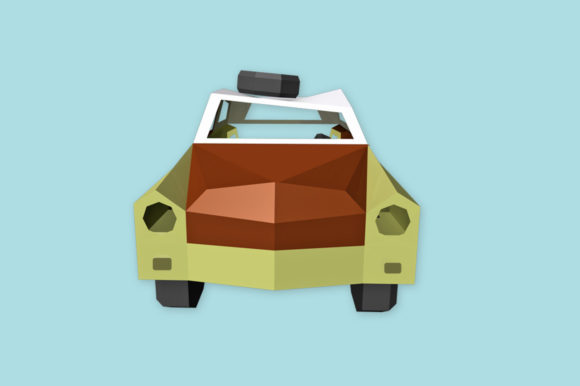
The initial impression of the DIY Junk Car - 3d Papercraft is one of playful creativity mixed with industrial charm. It does not scream corporate professionalism; instead, it whispers "hands-on," "maker culture," and "sustainable living." For publishers focusing on lifestyle niches, DIY tutorials, or eco-friendly automotive guides, this graphic design asset creates an immediate emotional connection. The visual hierarchy is strong because the three-dimensional nature of the car stands out against standard web backgrounds. It feels artistic yet accessible, making it perfect for content that wants to appear approachable rather than sterile.
When integrating this into a website header or as a featured image, the asset shifts the tone of the page from informational to experiential. It suggests that the content within is practical and actionable. Whether you are running a blog about upcycling, a digital guide on car restoration, or a creative marketplace selling craft supplies, this image signals to the reader that they are in the right place for tangible results. It supports a brand identity that values craftsmanship and detailed instruction.
Real-World Publishing Applications
In my workflow, I rarely use a single asset for just one purpose. The versatility of the DIY Junk Car - 3d Papercraft allows it to serve multiple roles across a content ecosystem. Here is how I envision using it in real publishing scenarios:
- Blog Featured Images: As the primary thumbnail for a tutorial post, this image grabs attention in search results and social feeds. Its depth makes it pop compared to flat photography.
- Pinterest Pins: Pinterest users love step-by-step visuals. Using this asset as the base for a pin with text overlays like "Build Your Own Model" can significantly increase click-through rates.
- Digital Guides and Lead Magnets: If you are offering a downloadable PDF on paper engineering or model building, this graphic serves as an excellent cover art element, promising high-quality instructions inside.
- Social Media Graphics: For Instagram carousels or Facebook posts explaining the assembly process, this asset provides a consistent visual anchor that ties the series together.
- Email Newsletter Headers: Breaking up text-heavy newsletters with this vibrant, dimensional image can improve open rates and engagement metrics.
- Affiliate Marketing Content: When reviewing craft tools or paper types, this image acts as a compelling visual cue that links directly to product recommendations.
Technical Specifications and Workflow Integration
From a technical standpoint, the flexibility of the file formats provided is a major advantage for a professional designer. The package includes PDF, EPS, DXF, and PNG files, which means I am not locked into a single resolution or software environment. The original specs mention an assembled size of 9 x 10 x 26 CMS and an assembling time of roughly 2 hours. While these dimensions apply to the physical craft, they inform the digital narrative. We can create infographics that visualize these measurements, showing readers exactly what they will achieve.
For the digital workflow, the inclusion of a 3D SVG format is particularly valuable for web designers. It allows for scalability without losing quality, ensuring that the DIY Junk Car - 3d Papercraft looks crisp on high-resolution Retina displays and mobile screens alike. The requirement for a colored printer, glue, scissors, craft knife, and a scorer or bone folder can be transformed into a checklist graphic or a step-by-step icon set derived from the main shape. This transforms a simple image into a comprehensive educational tool.
Optimizing for Performance and Trust
Using high-quality design assets like this one directly impacts reader trust. A polished, professional-looking image suggests that the content behind it is equally well-researched and executed. However, there are practical considerations for publishers. You must test the asset on both desktop and mobile screens to ensure the details do not get lost when scaled down. As a small thumbnail, the intricate folds of the papercraft might blur, so it is essential to preview it inside a real blog layout before committing.
Contrast and readability are also critical. Place the junk car against a clean background to let the shapes breathe. Avoid busy patterns or low-contrast colors that might make the image disappear. Try pairing the asset with different font styles—serif fonts for an editorial feel, sans-serif for a modern tech look, or script fonts for a personal blog vibe—to see which combination enhances the message. Additionally, always review the file size. Compress the PNG images properly to maintain fast load times, as speed is a ranking factor for SEO.
Where to Use With Caution
While the DIY Junk Car - 3d Papercraft is versatile, it is not a universal solution. It should be used carefully in serious professional niches such as corporate finance or legal advice, where the playful aesthetic might undermine authority. It may also struggle in extremely minimal visual systems where every pixel counts and complex shapes could clutter the interface. Furthermore, avoid using it in text-heavy blog images where the complexity of the car distracts from the headline. In these cases, a simpler icon might serve better.
Licensing and Commercial Viability
Before deploying any digital download on monetized websites, affiliate pages, or paid content products, you must confirm the commercial licensing terms. As a digital publisher, protecting your business from copyright issues is non-negotiable. Ensure that the license covers the intended use, whether it is for a Canva template sold to clients, a lead magnet for email capture, or a banner ad for a small business branding campaign. Assuming the license permits commercial use, this asset becomes a powerful tool for generating revenue through affiliate marketing or direct sales of digital guides.
Final Thoughts for Content Creators
The DIY Junk Car - 3d Papercraft is more than just a collection of Shapes; it is a storytelling device that elevates the perceived value of your content. By incorporating this graphic design asset into your strategy, you signal to your audience that you care about detail, creativity, and user experience. Whether you are creating social media graphics, designing a new website header, or crafting a premium eBook cover, this asset provides the visual punch needed to stand out in a crowded digital marketplace. For bloggers and entrepreneurs looking to refine their visual identity, this is a resource worth exploring.