Good Luck Card: A Designer's Real-World Review
In the world of machine embroidery design, finding a motif that balances whimsy with professional execution is often the hardest part of the creative process. As someone who has spent years curating assets for my own craft business and reviewing files for client projects, I approach every new download with a critical eye. Does it translate from screen to fabric? Will it hold up after washing? Is it versatile enough for a small shop product or just a one-off gift? Today, I am putting the Good Luck Card by StadtHirsch through its paces to see if it deserves a spot in your digital library.
First Impressions: Charm Meets Structure
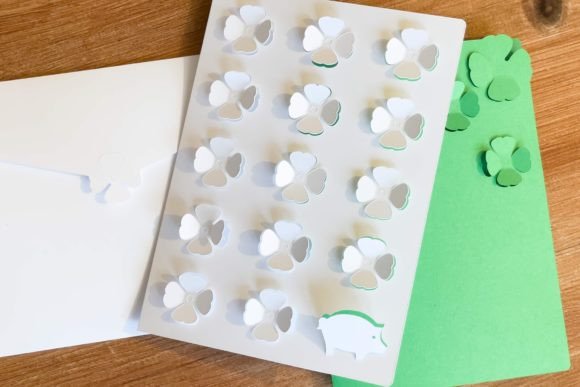
When I first opened the file preview for this embroidery project, the immediate mood was one of gentle optimism. The concept is straightforward yet effective: a card format elegantly decorated with four-leaf clovers and a tiny piglet. In the realm of holiday embroidery and general good luck wishes, these are classic symbols, but their execution here feels fresh. The layout suggests a balanced composition where the piglet acts as the focal point, surrounded by the organic shapes of the clovers.
What stands out immediately is the potential for depth. Since this is categorized as a 3D SVG type asset, it implies layers and dimensionality rather than a flat, single-layer outline. For an experienced designer, this is a crucial detail. It means we aren't just looking at a simple running stitch outline; we are likely dealing with a mix of satin stitch for definition and fill stitch for body. This combination is essential for creating a finished product that looks expensive and tactile, rather than cheap and pixelated when stitched on textured fabrics.
The Real-World Application: From File to Fabric
To truly evaluate the Good Luck Card, I need to visualize it in a real scenario. Imagine you are preparing a custom embroidered tote bag for a local boutique's "New Year" collection. You want something that says "good vibes" without being overly loud. Placing this design on a sturdy canvas tote bag would be ideal. The 3D nature of the design would allow the piglet and clovers to pop against the natural weave of the canvas, especially if you choose high-contrast thread colors.
Alternatively, consider a baby embroidery application. A personalized onesie or a soft pillow cover featuring this design could make a perfect nursery addition. The tiny piglet adds a touch of cuteness that appeals to parents, while the clovers offer a subtle nod to fortune. However, because this involves a baby item, the stitch density becomes a major factor. If the fill areas are too dense, the fabric might pucker, making the garment uncomfortable for a sensitive skin. Before committing to a final run, I would always test the design on scrap fabric to ensure the tension is correct and the back of the stitching remains clean.
For the Etsy seller or small shop owner, this design offers versatility. It works beautifully as an embroidered patch sewn onto denim jackets or hats. The distinct shapes of the clovers and the rounded form of the piglet create a silhouette that reads well even from a distance. This is vital for custom apparel where customers often scan items quickly. If the details get lost, the perceived value drops. With the Good Luck Card, the visual hierarchy seems strong enough to maintain clarity on various surfaces.
Navigating Challenges: Where Caution is Key
While the design is promising, no digital embroidery file is universally perfect. There are specific scenarios where the Good Luck Card requires careful handling. First, consider the hoop size. If you are working with a very small hoop, such as those used for caps or keychains, the tiny details of the piglet's features might get lost. On a curved surface like a baseball cap, the transition of the fabric can distort the shape of the clovers if the stabilizer isn't chosen correctly. I always recommend using a water-soluble stabilizer for curved applications to prevent puckering.
Fabric texture is another consideration. On thin or stretchy fabrics, like jersey knit t-shirts, the weight of the 3D elements could cause distortion over time. In these cases, a heavy-duty tear-away stabilizer is non-negotiable. Furthermore, if you plan to use this on dark fabrics, the thread color contrast becomes critical. Light-colored threads on dark backgrounds require higher stitch density to avoid showing the fabric underneath, which can sometimes lead to stiffness. Always review the design in black and white mockups first to ensure the outlines remain crisp before investing in premium threads.
Another area of caution is frequent washing. If this design is intended for a kitchen towel or an apron that will go through the wash weekly, the durability of the stitches matters. Dense fill stitch areas can trap moisture if not properly secured, leading to mold or thread rot. Ensuring the embroidery file has proper underlay stitches will help anchor the design to the fabric, extending the life of your handmade product.
Impact on Brand and Buyer Engagement
From a business perspective, using a well-executed design like the Good Luck Card elevates your brand consistency. When a customer receives a personalized gift that looks professionally stitched, their trust in your craftsmanship increases. The attention to detail in the clover leaves and the piglet's expression signals that you care about quality. This is particularly important for commercial embroidery projects where you are competing with mass-produced items.
For digital product sellers, offering this as part of a bundle for the Holidays season could drive significant engagement. The theme is timeless, appealing to anyone looking to send good luck wishes. Whether it is for a graduation, a new job, or a birthday, the sentiment is universal. By providing clear mockups that show how the design looks on different products—like a sweatshirt, a hat, or a pillow—you help the buyer visualize the end result, which reduces hesitation and increases sales.
Practical Notes for the Professional Maker
Before you integrate the Good Luck Card into your workflow, follow these practical steps:
- Test on Scrap Fabric: Never skip this step. Stitch the design on a piece of the actual fabric you plan to use to check for puckering and tension issues.
- Check Thread Colors: Experiment with different palettes. A pastel palette might suit a baby item, while bold greens and golds work better for holiday gifts.
- Review Stitch Density: Ensure the fill areas are not so dense that they stiffen the fabric, especially for wearable items.
- Confirm Licensing: If you plan to sell finished items or the digital embroidery file itself, verify the license terms provided by StadtHirsch. Understanding whether you can sell the physical product or the file is crucial for your craft business compliance.
- Inspect Small Details: Zoom in on the piglet and clovers to ensure the smallest lines are not too thin to stitch accurately on your machine.
Ultimately, the Good Luck Card is a charming addition to any designer's toolkit. It bridges the gap between cute and commercial, offering a design that feels personal yet polished. Whether you are creating a tote bag design for a craft fair or a sweatshirt embroidery for a loyal client, this asset has the potential to add genuine value to your work. Just remember to respect the technical requirements of your machine and fabric, and you will have a winner in your next collection.